Discover Sorimmara
Walking into Sorimmara at 2 W 32nd St, New York, NY 10001, United States feels like stepping straight into the heart of Koreatown, where the air hums with conversation, sizzling grills, and that unmistakable aroma of marinated meats. I’ve eaten my way through plenty of Korean barbecue spots in Manhattan, both casually with friends and more deliberately while researching food trends, and this place consistently stands out for how confidently it sticks to tradition while still feeling approachable.
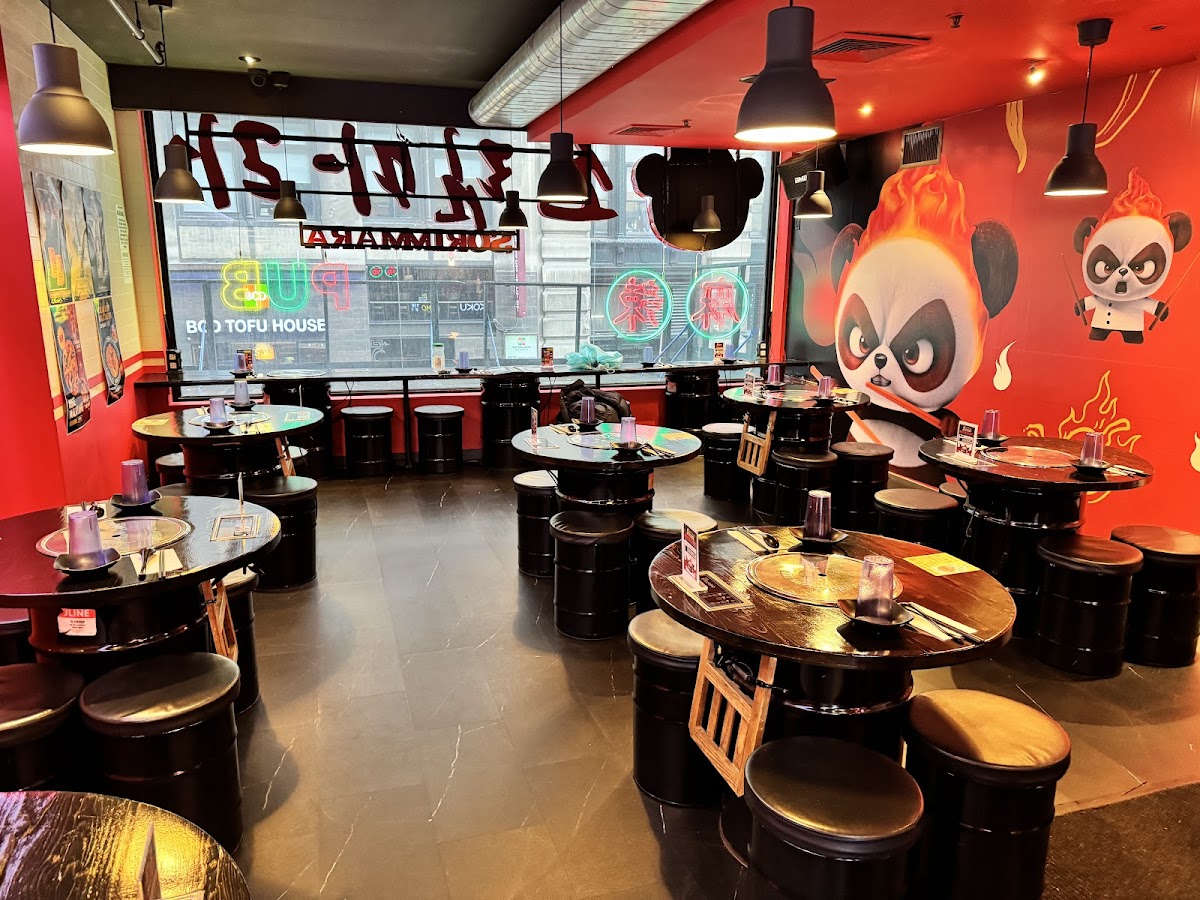
The first thing you notice is the layout. The dining room is lively without being chaotic, and the built-in grills at each table are powerful enough to sear meat quickly while keeping smoke under control. Servers guide you through the process if you’re new, explaining how long to grill each cut and when to flip. That hands-on approach matters because Korean barbecue isn’t just about eating; it’s about participating. It’s the difference between passively ordering food and actively shaping the meal in real time, which is why experiences like this score higher in customer reviews across major dining platforms.
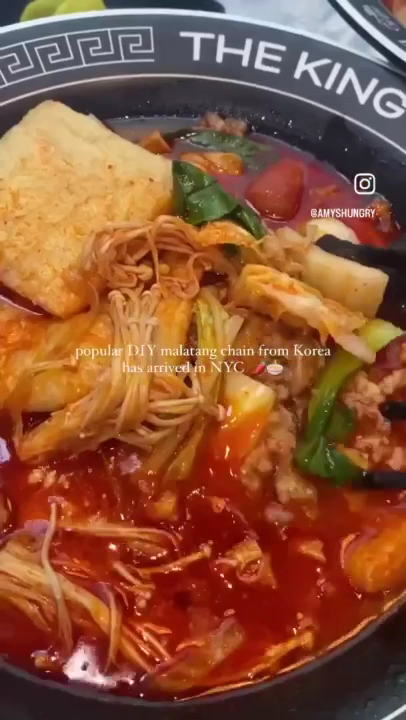
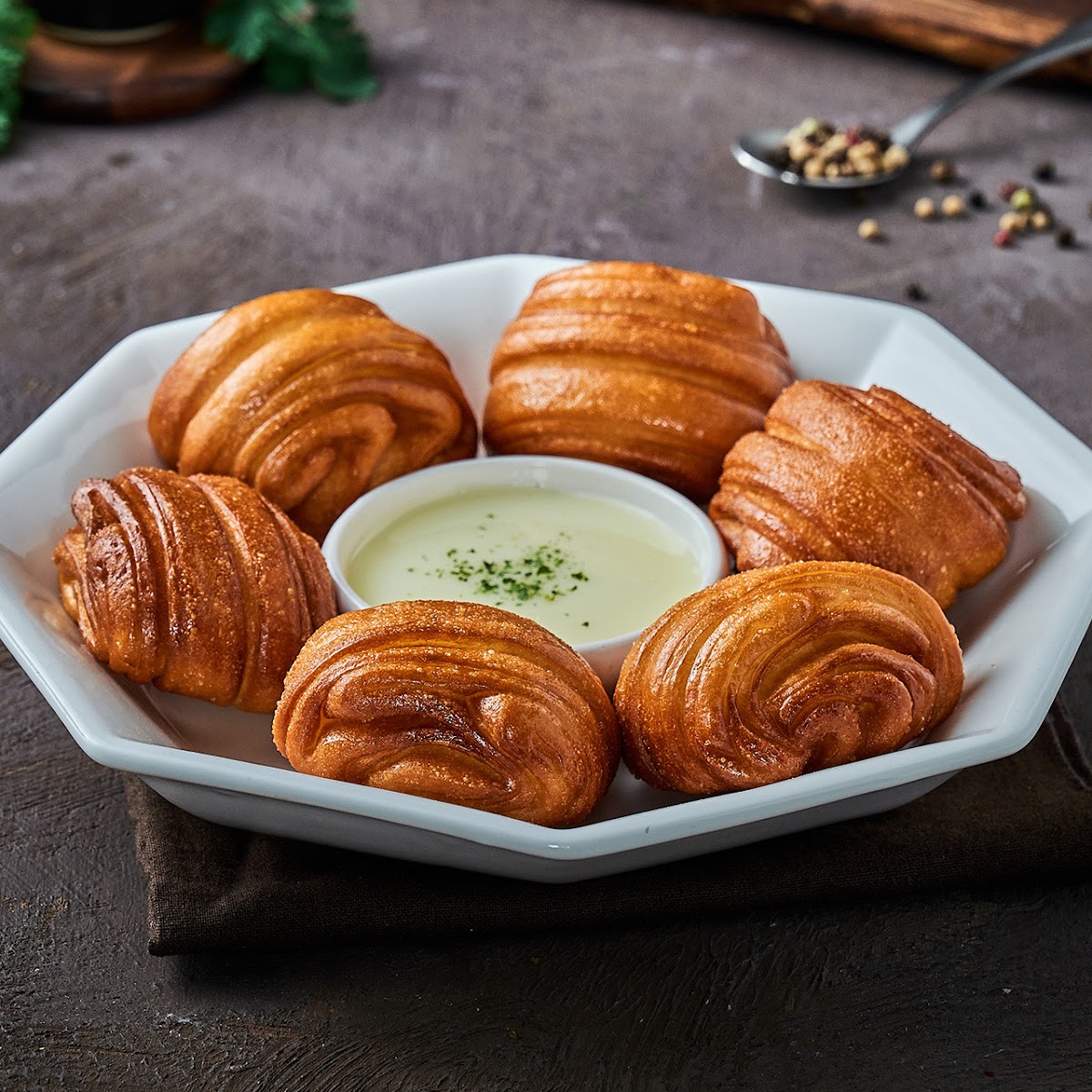
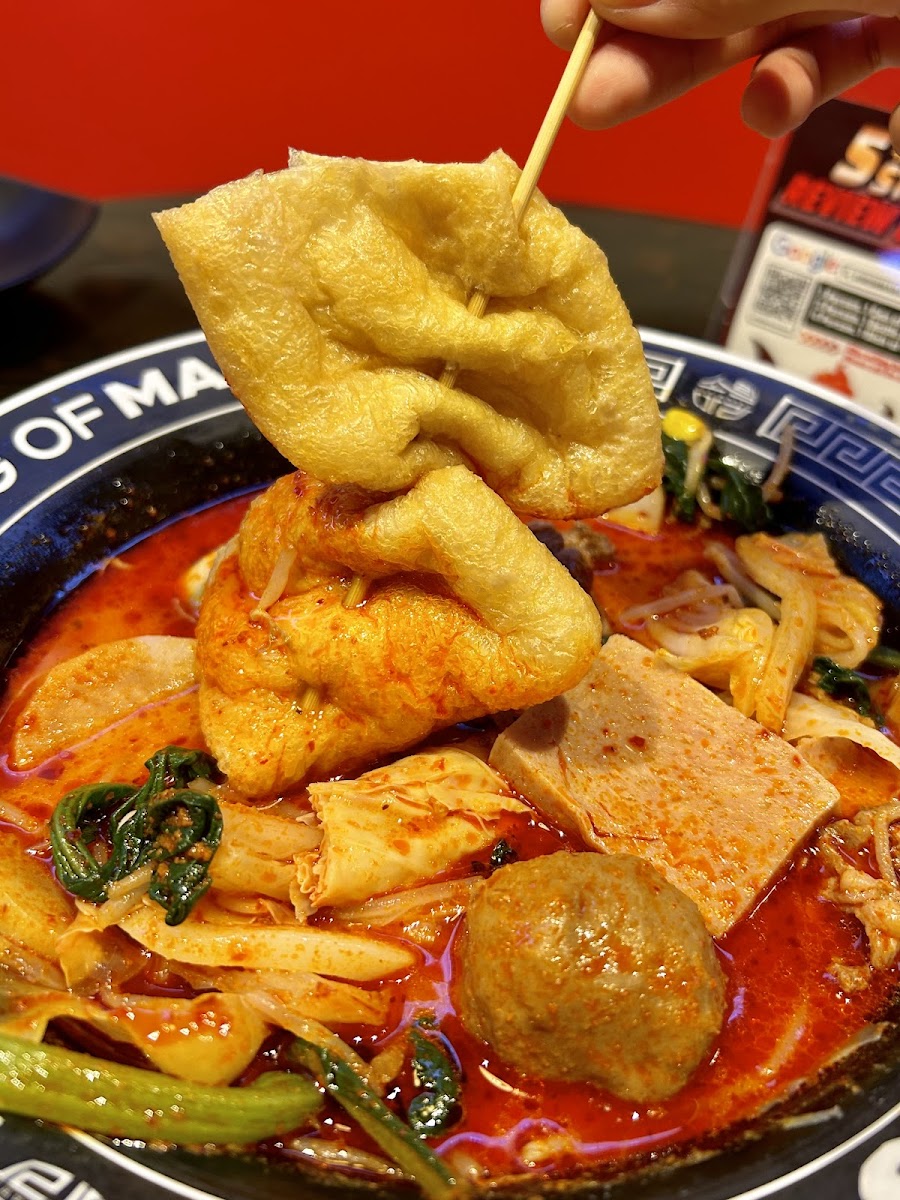
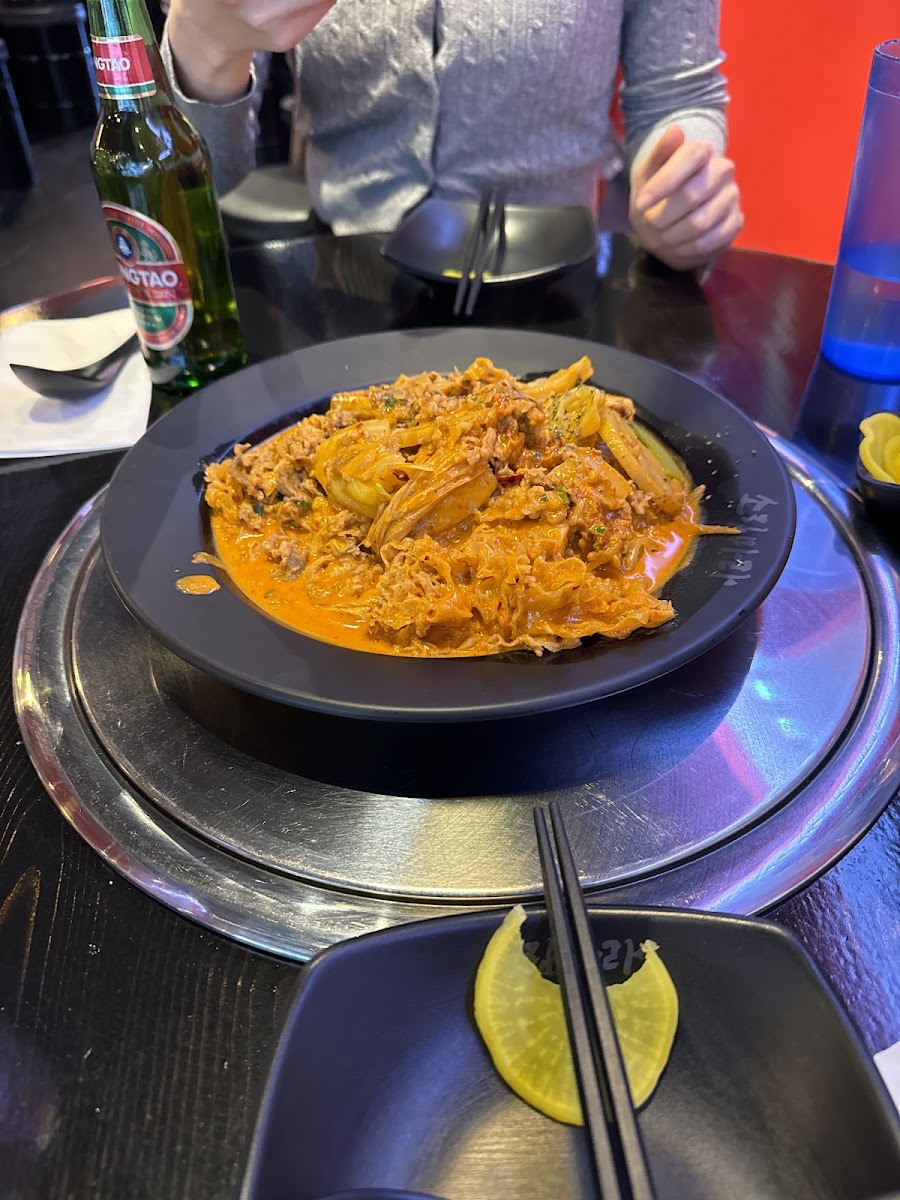
The menu leans heavily into classic Korean flavors. Thinly sliced brisket, marinated short ribs, pork belly, and ribeye arrive beautifully arranged, ready for the grill. One visit that sticks with me involved a group of six, where we ordered a combination platter to sample multiple cuts. Watching the meat caramelize while dipping it into sesame oil and salt was a reminder of why simple techniques endure. Alongside the meats, the house-made banchan deserve attention. These small side dishes change slightly depending on availability, but staples like kimchi, seasoned bean sprouts, and pickled radish are consistently fresh. Fermented foods like kimchi have been studied extensively; research referenced by the National Institutes of Health highlights their potential benefits for gut health due to probiotics formed during fermentation.
Service plays a huge role here. On a busy Friday night, our server managed multiple tables without rushing us, stepping in only when needed. That balance of attentiveness and space shows experience. I once brought a colleague who studies hospitality management, and she pointed out how smoothly the staff handled table turnover without making diners feel pushed out. That kind of operational flow is often discussed by restaurant consultants as a key factor in long-term success, especially in high-rent areas like Midtown Manhattan.
What also keeps Sorimmara relevant is consistency. According to aggregated online reviews, repeat customers frequently mention that the quality of meat and portion sizes rarely fluctuate. In an area crowded with Korean restaurants, maintaining that reliability builds trust. The restaurant doesn’t chase trends aggressively; instead, it focuses on doing the fundamentals well. The tabletop grills are well-maintained, the ventilation works, and the marinades taste balanced rather than overly sweet.
There are limitations worth noting. The space can feel tight during peak hours, and wait times can stretch if you arrive without a reservation. Prices reflect the location and quality, so it’s not the cheapest dinner option in Koreatown. Still, when you consider ingredient sourcing and the labor involved in preparation, the value aligns with industry benchmarks often cited by culinary associations.
Sorimmara’s location is another advantage. Being steps away from subway lines and surrounded by late-night dessert cafés makes it easy to turn dinner into an evening out. I’ve often followed a meal here with coffee nearby, which adds to the overall experience and explains why so many diners leave detailed, positive reviews rather than quick ratings.
Over time, my visits have shown that this restaurant understands what Korean barbecue is supposed to be: communal, flavorful, and interactive. It doesn’t try to reinvent the genre, and that confidence is exactly why it keeps drawing both locals and visitors back through its doors.